In Land-Scarce Singapore, How Do We Find More Spaces for New Homes?
Blogs8 Oct 20268 min read

Singapore may be a ‘little red dot’ with a finite amount of space, but that has not stopped us from making room for everything. From homes to offices, to green spaces and even tourist attractions, every square inch of our country is planned with precision to create one of the most liveable city-states in the world.
This careful approach to urban planning has also laid the foundation for Singapore’s success. Over the years, Singapore has evolved into a global financial hub with strong economic fundamentals and a desirable living environment, which has drawn in businesses, capital, and talent from around the world.
As a result of this success, Singapore’s population has also grown tremendously in the past few decades. From just around 2 million residents in the 1980s, this figure has since grown to record 6.21 million this June – and in the coming years, it could even rise to between 6.5 million to 6.9 million.
Increase in Population
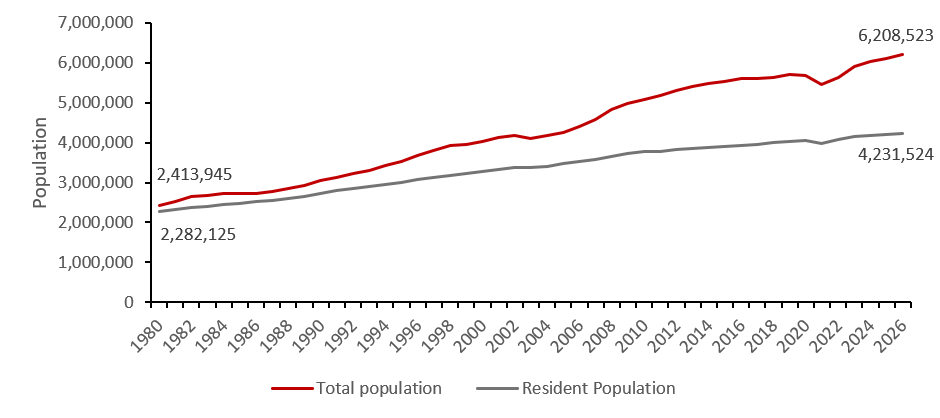
Needless to say, housing a population of this scale in a land-scarce country requires nothing short of cautious planning. To tackle space constraints, the Singapore Government relies on three key strategies: land reclamation, land-use intensification, as well as urban redevelopment.
History of Singapore's Transformation
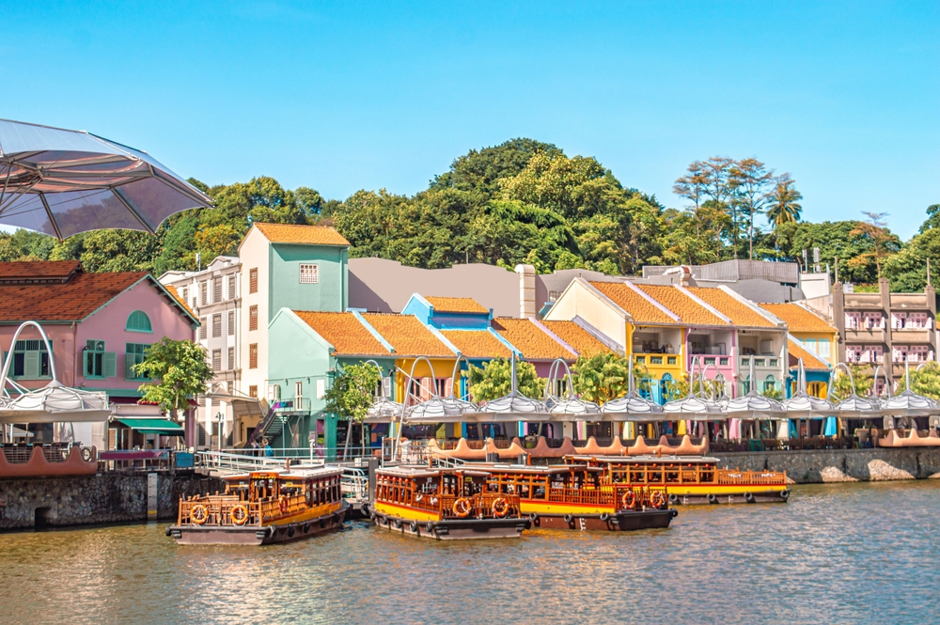
Singapore served as a trading hub in the 19th century. Areas such as Clarke Quay were lined with warehouses and go-downs that stored goods ferried along the Singapore River. Likewise, Keppel Harbour played an important role as an international port that facilitated global trade and shipping activities. Today, both areas have undergone major transformation.
Clarke Quay has evolved into a bustling lifestyle destination for dining and entertainment. On the other hand, Keppel has transformed into a high-end residential and lifestyle precinct. It has also recently been identified as a key component of Singapore’s future Greater Southern Waterfront, enhancing connectivity while retaining its business hub status.
Clarke Quay: A Bustling Lifestyle Destination
Looking back at Singapore history, such transformations have been necessary for Singapore to continuously evolve in order to meet ever changing economic and societal needs. When Singapore first gained independence in 1965, its land size was only 581 square kilometres. Today, Singapore’s land area has expanded by more than 20%, reaching approximately 745 square kilometres. With plans for further expansion in the coming years, one question remains: How has Singapore managed to create more space despite its severe land constraints?
Land Reclamation – Expanding Singapore’s Limited Land Resources
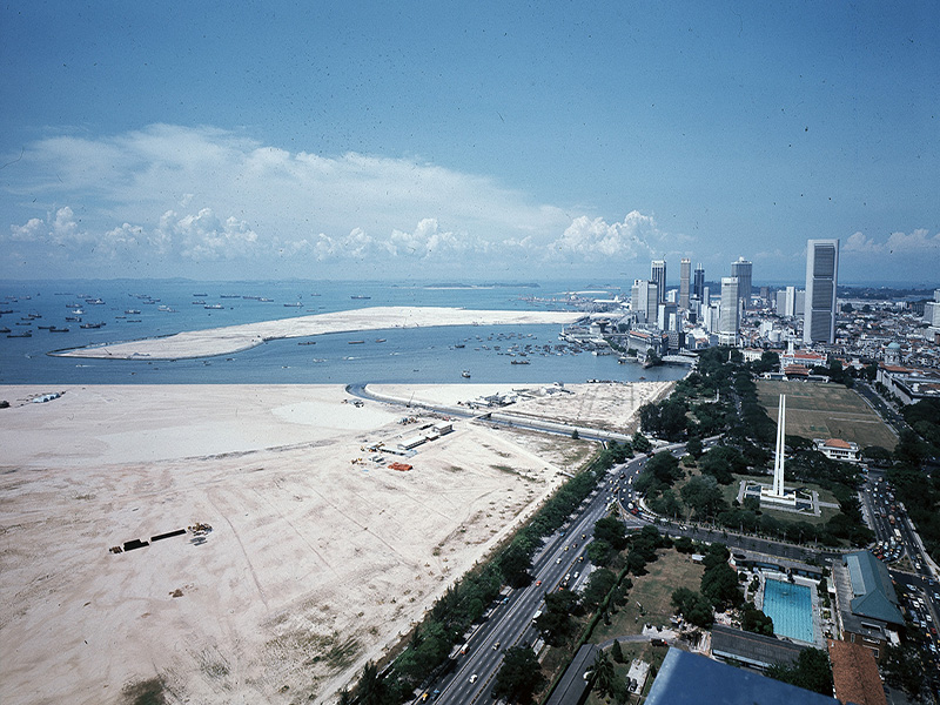
One of Singapore’s most successful examples of land reclamation is Marina Bay. Previously, the area served as the point of entry for visitors and immigrants arriving in Singapore.
In the 1970s and 1980s, extensive reclamation works were carried out, eventually creating around 360 hectares of new land. This new land successfully transformed into today’s Marina Bay. Major landmarks include Marina Bay Financial Centre (MBFC), Marina Bay Sands (MBS) and Gardens by the Bay (GBTB). Apart from the commercial buildings, the Marina Bay area will have several residential developments including Marina Bay Residences and the upcoming One Marina Gardens and W Residences Marina View – Singapore. A fourth residential development is expected to be built on the site along Marina Gardens Lane whose tender is expected to close on 15 October 2026.
Marina Bay Reclamation Works in 1977
Marina Bay Sands
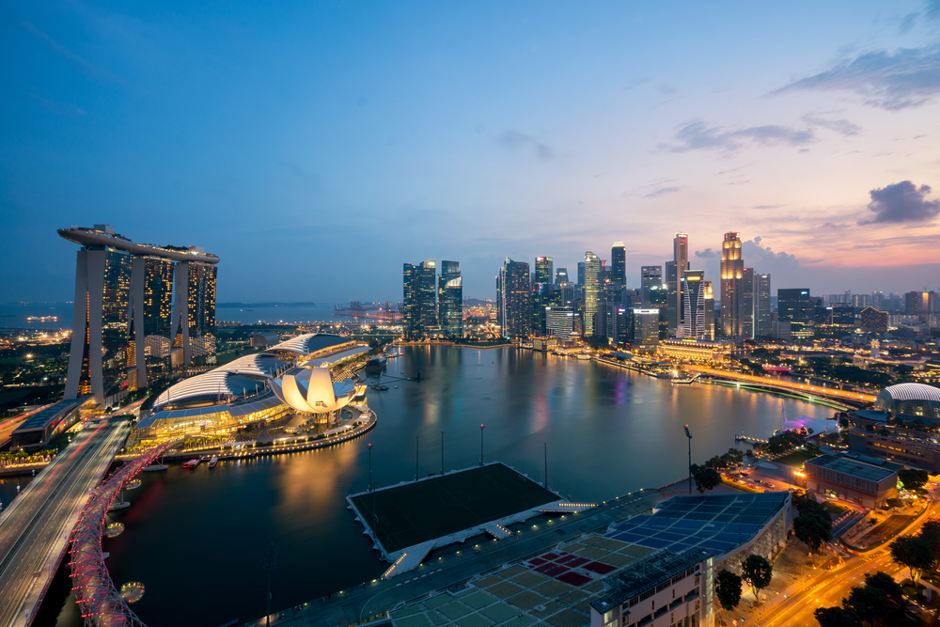
Looking back, Marina Bay remains one of Singapore’s most successful land reclamation stories. The area created tens of thousands of jobs, attracting significant foreign investment and expanded the country’s economy. The population also benefitted with better employment opportunities and a wider range of lifestyle.
Land use intensification – Maximising the Potential of Scare Land
Land use intensification refers to the practice of increasing the productivity of a limited land parcel. Put simply, it involves creating more usable space, often by building upwards instead of outwards. In a land-scare country like Singapore, this approach allows the nation to accommodate a growing population and economy without more land.
One notable example is Guoco Tower, which is located directly above Tanjong Pagar MRT Station. Standing at 290 meters, it is currently the tallest building in Singapore, comprising a mix of offices, residences, a hotel and retail space.
Guoco Tower, located above Tanjong Pagar MRT Station
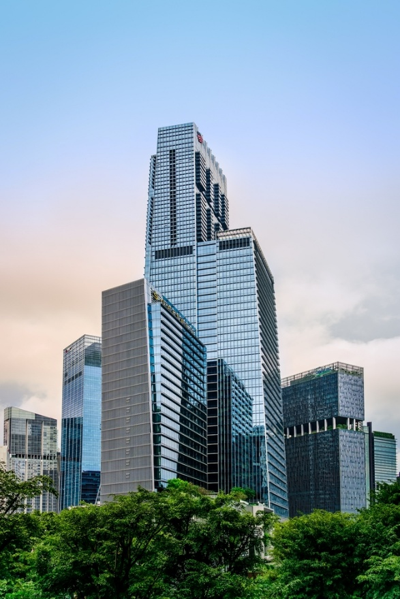
Before the land was intensified, the site was largely an underutilised open public green space. Today, Guoco Tower has successfully demonstrated how a single parcel of land can simultaneously support a diverse range of economic and social activities through an integrated mixed-use development.
This development has transformed the area into a more integrated live-work-play destination, bringing greater convenience and improved accessibility. More importantly, it showcases how land use intensification allows Singapore to maximise the value of land while supporting future growth.
Land Redevelopment – Reimagining Existing Spaces for Future Needs
Unlike land reclamation or land use intensification, land redevelopment is perhaps the most widely adopted method of supporting Singapore’s growth. Redevelopment involves transforming aging or underutilised sites into new developments that better meet current needs.
This is especially crucial given how Singapore has evolved significantly over the past few decades. Through redevelopment, older sites can be rejuvenated and adapted to remain relevant.
One recent example is the redevelopment of Valley Point Shopping Centre and Fraser Suites, a serviced apartment that will be redeveloped into a 999-year, riverfront mixed-use development. The project will comprise 407 luxury residential units and sky villas, 184 units serviced residences under Fraser Suites, as well as a curated mix of dining, retail and lifestyle outlets.
Valley Point Shopping Centre and Fraser Suites
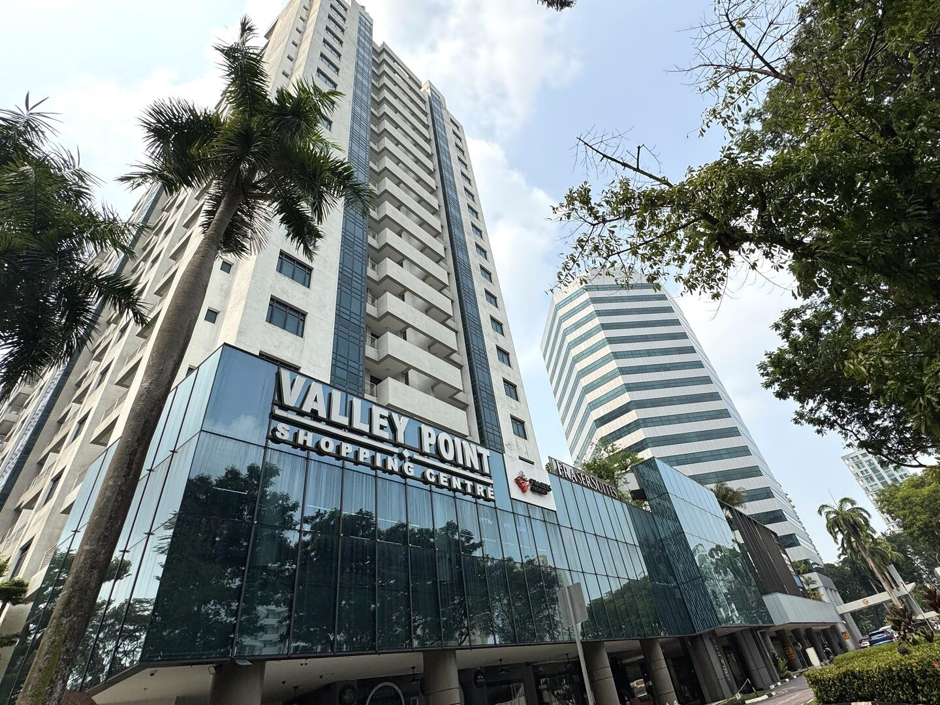
The existing site compromises a low-rise retail podium, office tower and serviced apartments. Despite its prime location and rare 999-year land tenure, the development was considered to be underutilising the site’s potential. As a result, redevelopment plans were introduced to unlock the site’s maximum economical value and productivity. Additionally, the new development is expected to add greater vibrancy to the neighbourhood.
Nonetheless, redevelopment is not always about maximising economical value. In some cases, it may be necessary to rejuvenate aging buildings and ensure that land continues to meet modern needs and expectations.
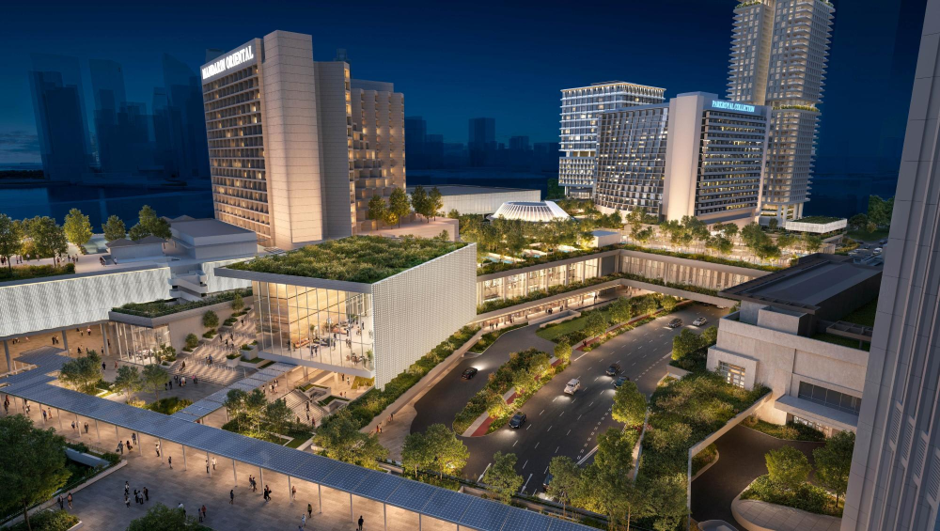
For example, Marina Square, which was completed in 1986, is scheduled for closure by 31 March 2027. The site will make way for a major redevelopment project comprising luxury residences, a new hotel, serviced apartments and offices. The project is expected to be completed by 2031. The redevelopment presents an opportunity to reposition the area as an experience-led community. It also aims to create a more integrated ecosystem by enhancing connectivity between the various developments and amenities around the area.
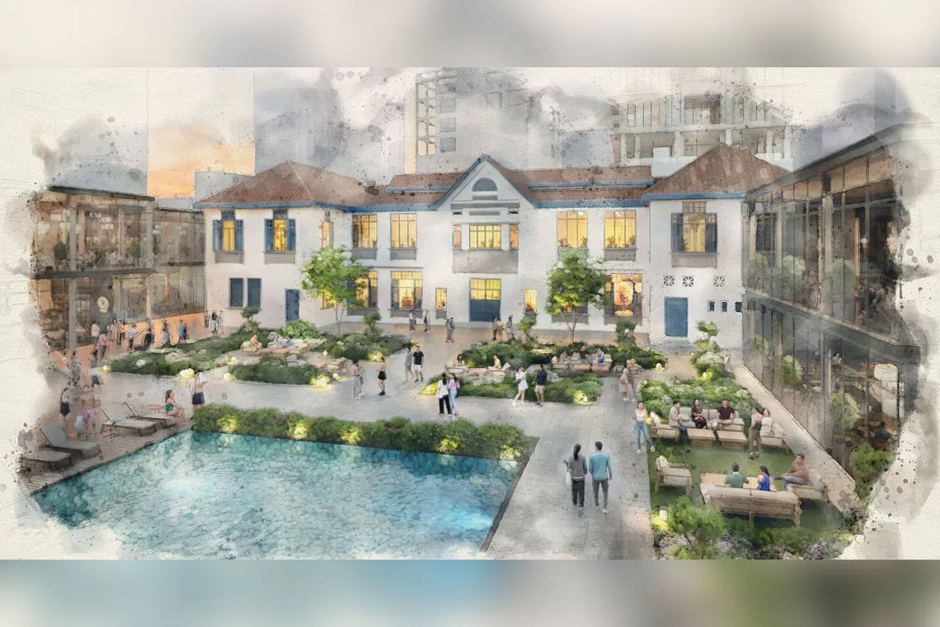
Another example is the former Singapore Chinese Girls’ School (SCGS) campus in Orchard. Built in 1925, the site was used until 2020. Since then, it has remained vacant while being conserved by the Urban Redevelopment Authority (URA) for its historical significance. Under the Orchard Road Rejuvenation Plan, the site will be transformed into a mixed-use hospitality and lifestyle destination. The project seeks to create a distinctive new lifestyle while retaining its rich heritage.
While redevelopment can unlock greater value from a site, the process is not always straightforward. In many cases, redevelopment may require existing businesses or users to make way for future developments, leading to concerns from affected stakeholders.
Another recent example is Punggol East Container Park. As the site’s lease is scheduled to expire this year, the land will be returned to Singapore Land Authority (SLA) for future residential development. Businesses operating within container park will be required to relocate upon the expiry of their leases, prompting concerns over the short-notice closure timeline.
Punggol East Container Park
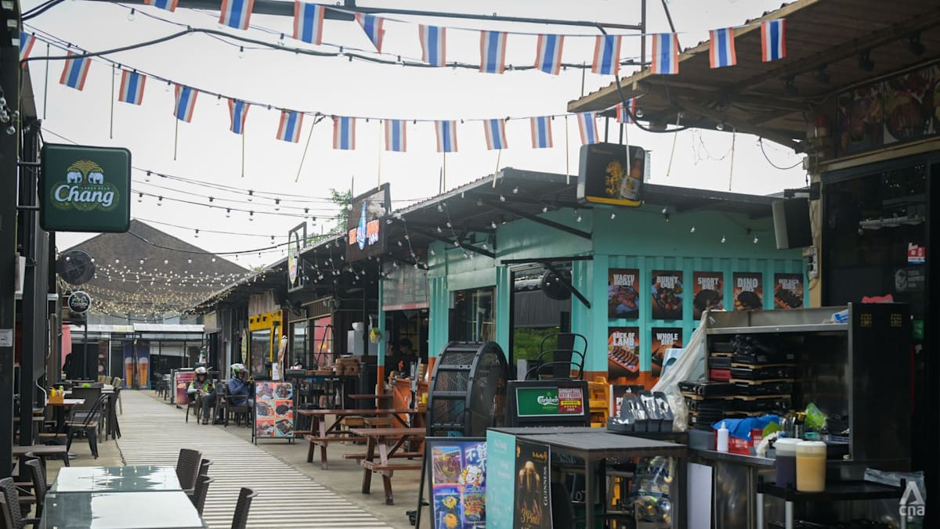
Following feedback from affected stakeholders, adjustments were made to the development timelines. As a result, SLA had offered one extra year of lease extension to four main tenants, providing them with additional time to make alternative arrangements and ease the transition process.
This case highlights the difficulty in balancing both long-term land use planning objectives and the needs of affected stakeholders that policymakers often face in Singapore.
While the concerns of existing businesses are understandable, planning decisions must also consider the long-term needs of a nation, benefitting a much larger segment of society. Ultimately, such projects do ensure that Singapore remains well positioned to support future housing needs.
What Lies Ahead for Singapore's Land Transformation Journey
Looking ahead, Singapore is likely to continue relying on all three strategies to overcome its land constraints. Among these, redevelopment is expected to play an increasingly important role as the nation seeks to rejuvenate aging precincts and unlock the economic value of existing land.
At the same time, Singapore continues to actively plan for future housing demand. At least 80,000 new public and private housing units are expected to be introduced over the next decade. Together with the regular release of Government Land Sales (GLS) sites, such efforts demonstrate Singapore’s commitment to maintaining a healthy housing pipeline while supporting market stability.
Beyond redevelopment, plans to merge several islands south of Jurong island to form a larger western island were also confirmed at the National Day Rally 2026. Such initiatives reinforce Singapore's commitment to overcoming its geographical limitations through careful planning and innovation.
Today, Singapore has successfully demonstrated how land can be used effectively to create economic value. As the country continues to evolve, these strategies will remain crucial in ensuring that Singapore remains a vibrant and liveable city for generations to come.